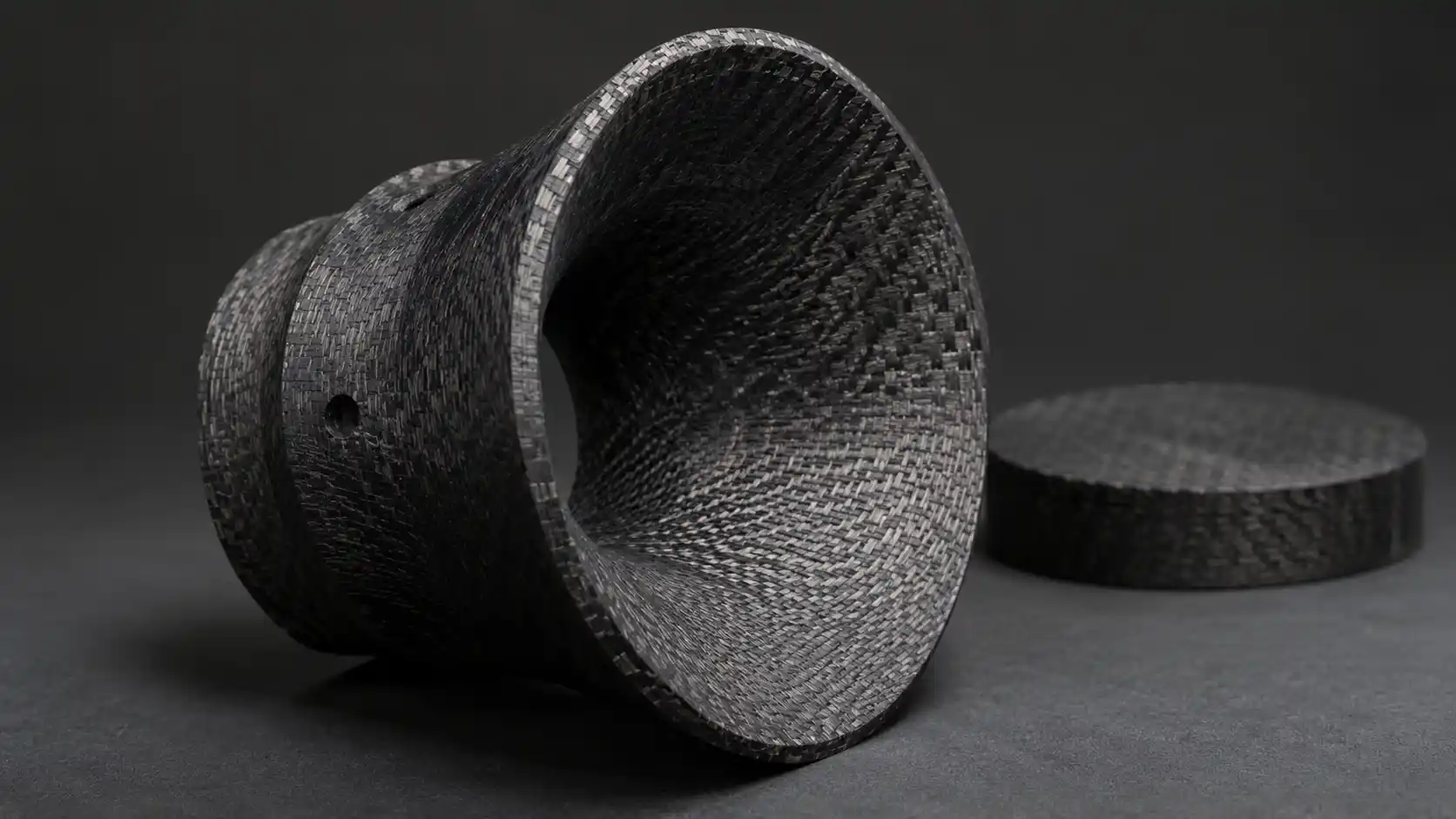
 C-C
Carbon-Carbon
- Matrix
- Carbon
- Best at
- Highest temperature, up to 3000°C
- Typical parts
- Nozzle throats
- Leading edges
- Nose tips
- Furnace hardware
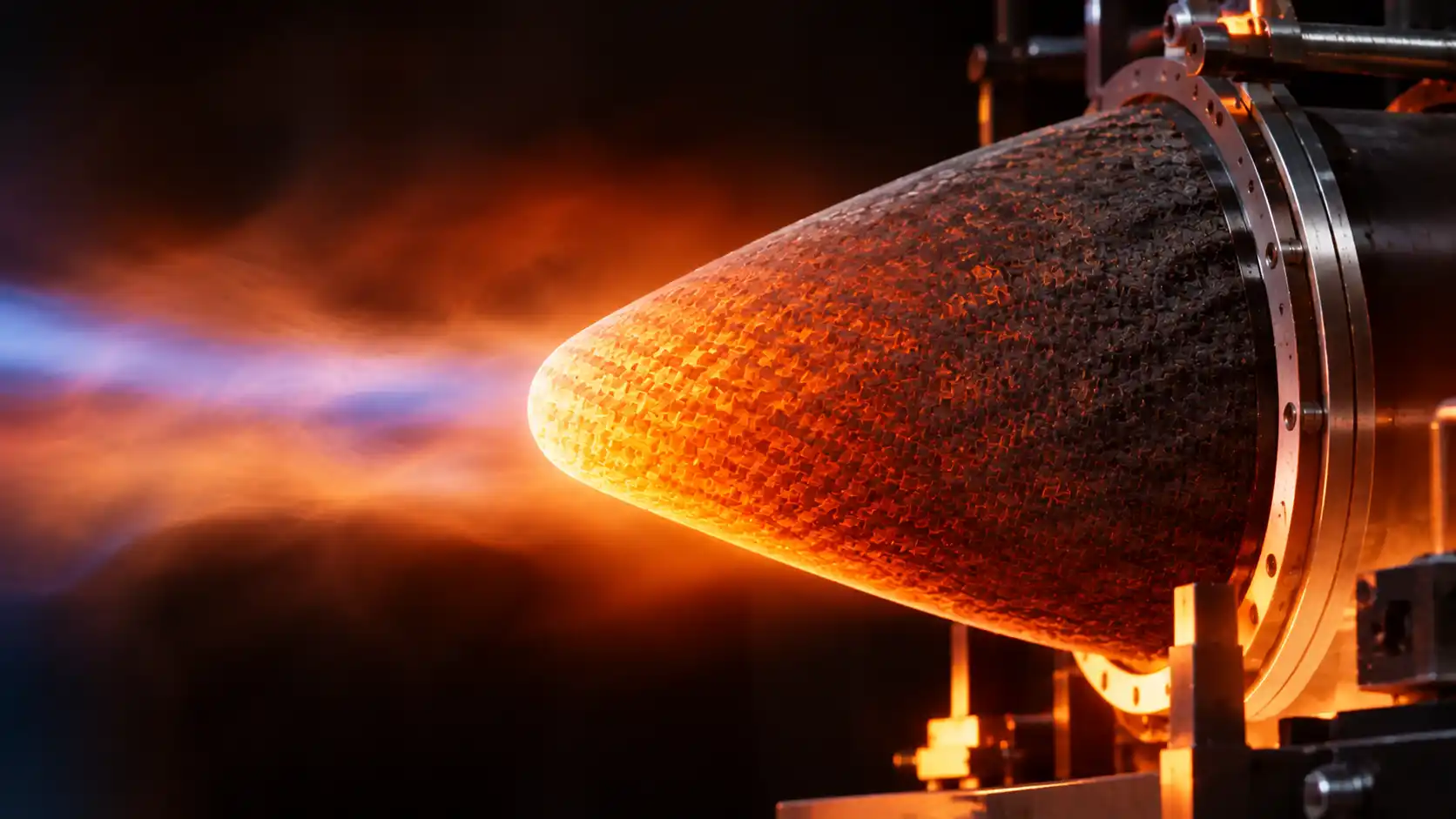
Advanced high-temperature composites realised through advanced densification methods, engineered for performance, precision, and scalability. Designed and built in India.
Carbon fibre in a carbon matrix. Rated up to 3000°C, dimensionally stable and resistant to erosion and wear. The material for nozzle throats, leading edges and furnace hardware.
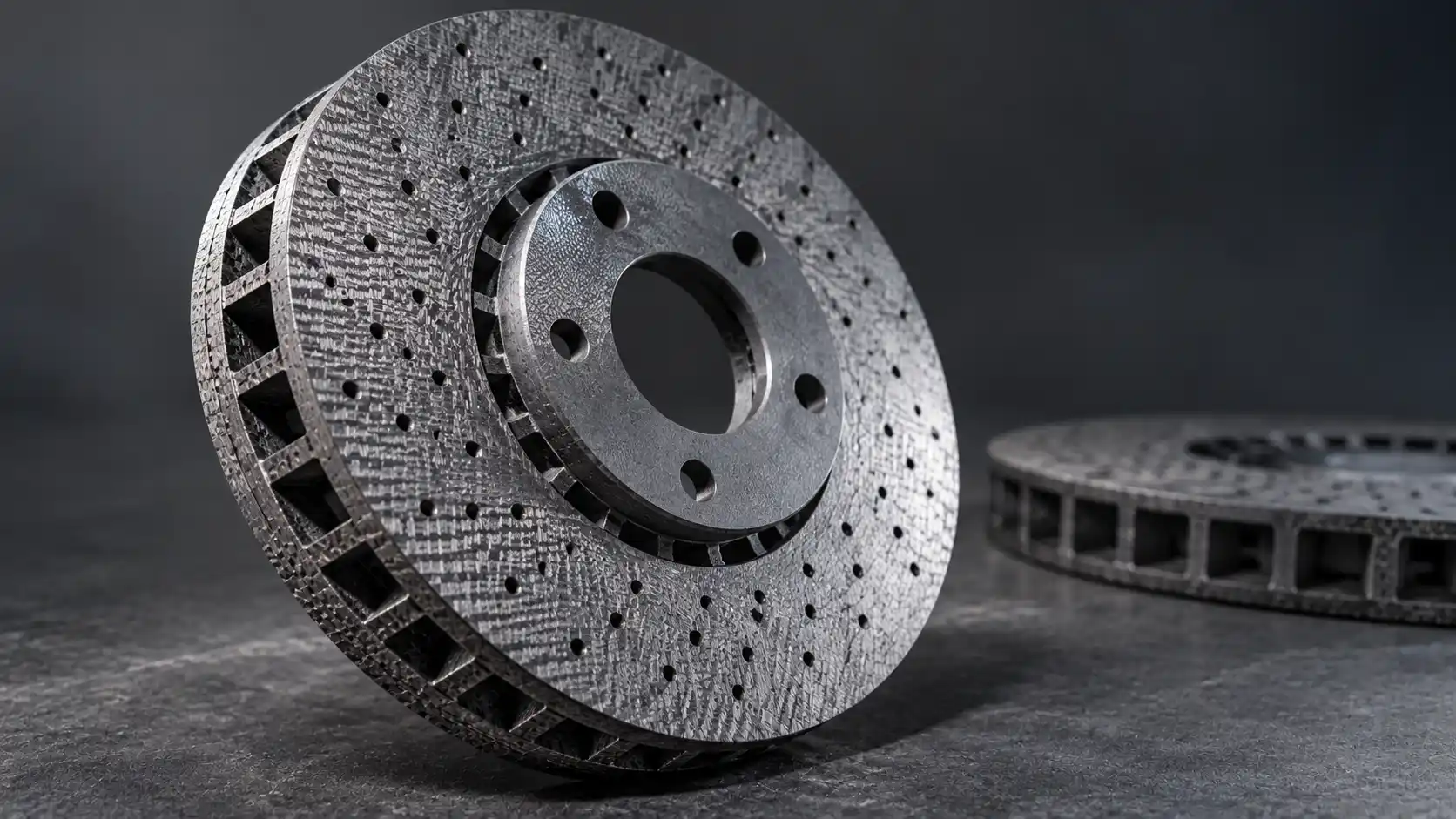
A silicon carbide matrix adds high oxidation resistance and wear tolerance. Built for hot structures and friction parts, including carbon-ceramic brake discs.
Request a datasheet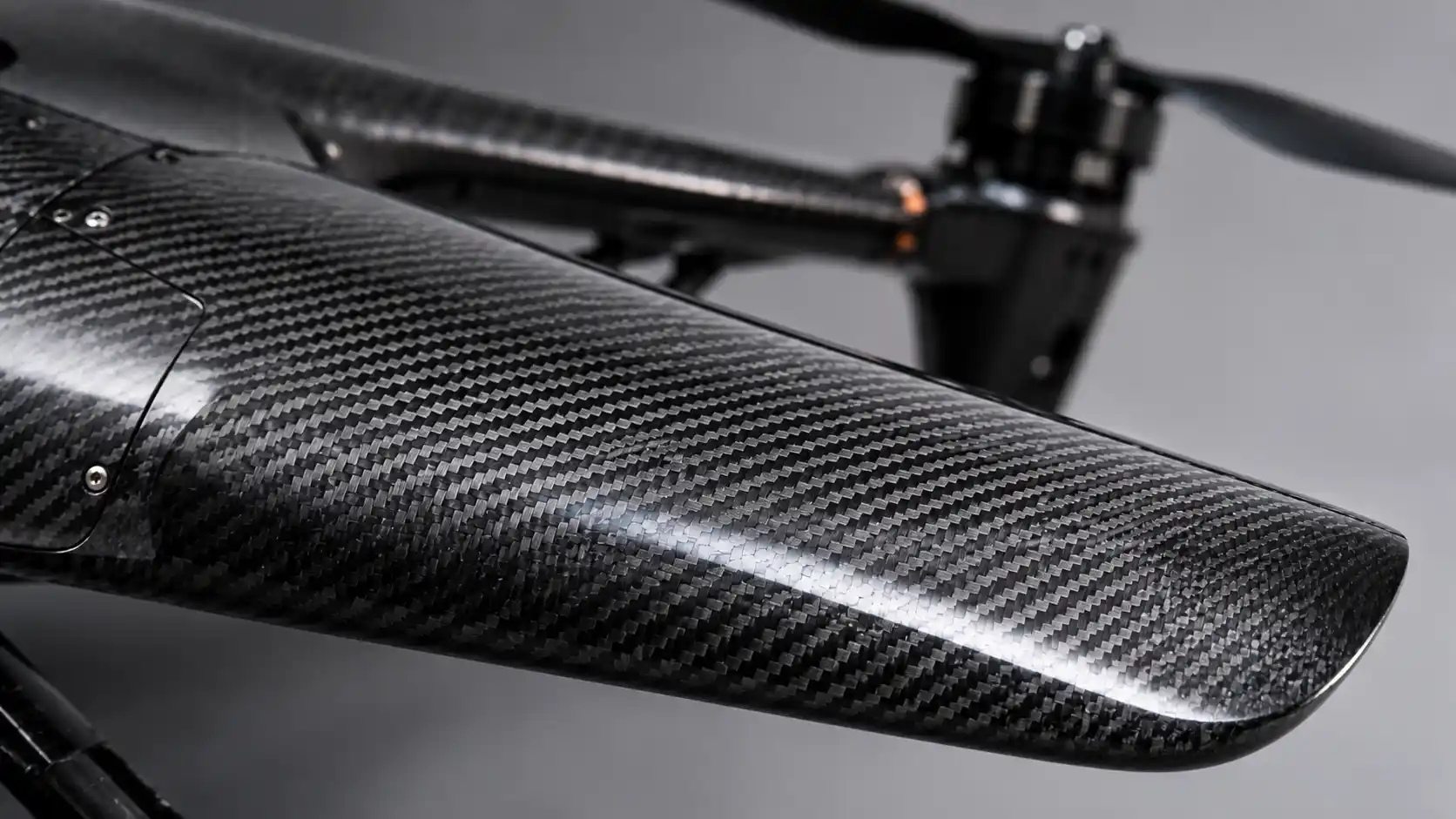
Carbon fibre reinforced polymer parts that are light, strong and stiff. For aerospace structures, UAVs and industrial components.
Discuss your partA quick guide to our three composite families. Hover over a card to see where each one shines.
C-CCarbon-Carbon
C-SiCCarbon-Silicon Carbide
C-FRPStructural composites
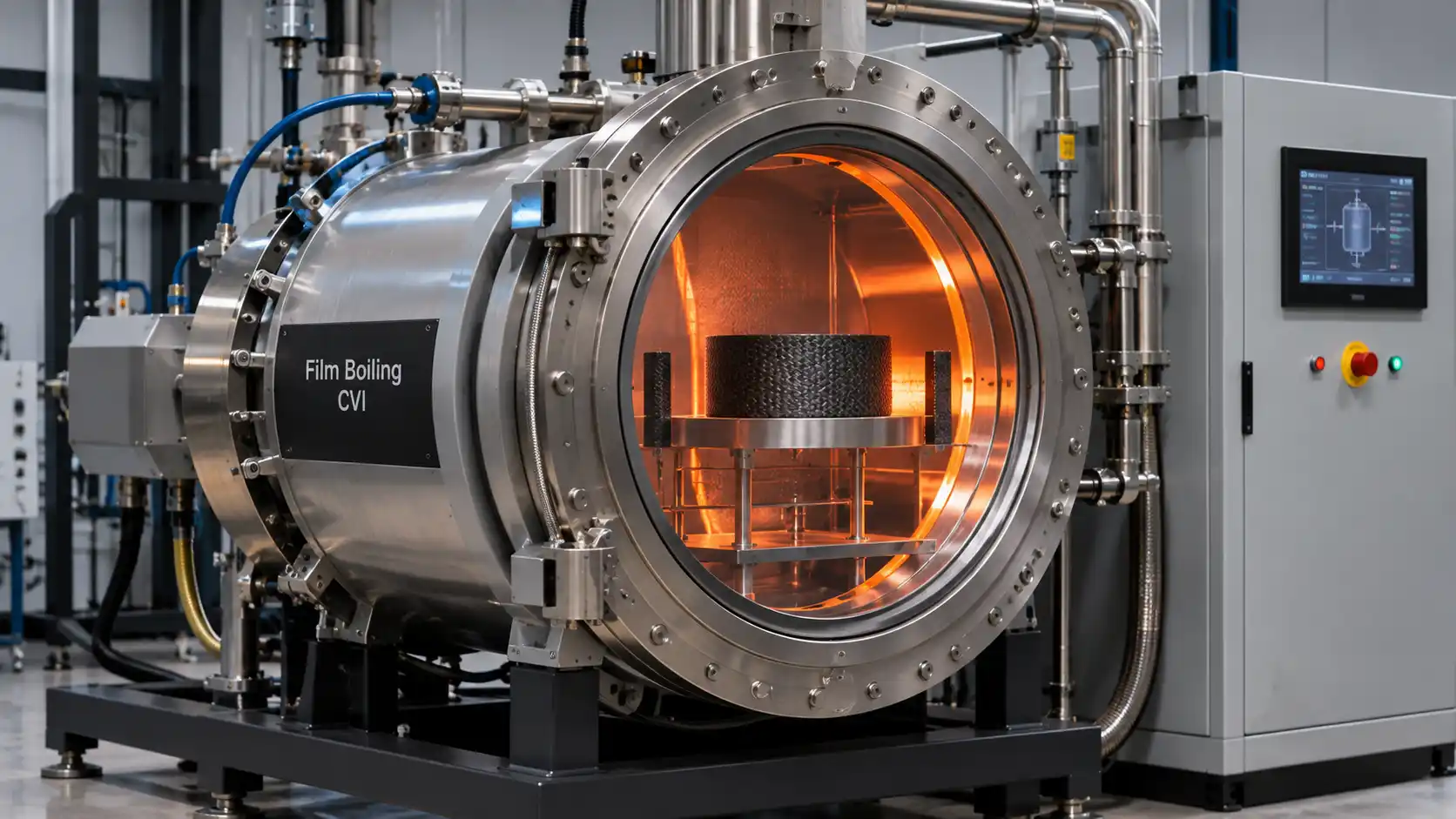
Our proprietary densification process. A carbon precursor boils around a heated preform, filling the pores faster and more uniformly than conventional isothermal CVI.
We also build isothermal CVI, conventional process systems, graphitisation reactors up to 3000°C, and FEA-validated composite tooling molds.
Enquire about systemsSeven industries that depend on materials that survive extreme heat, wear and speed.
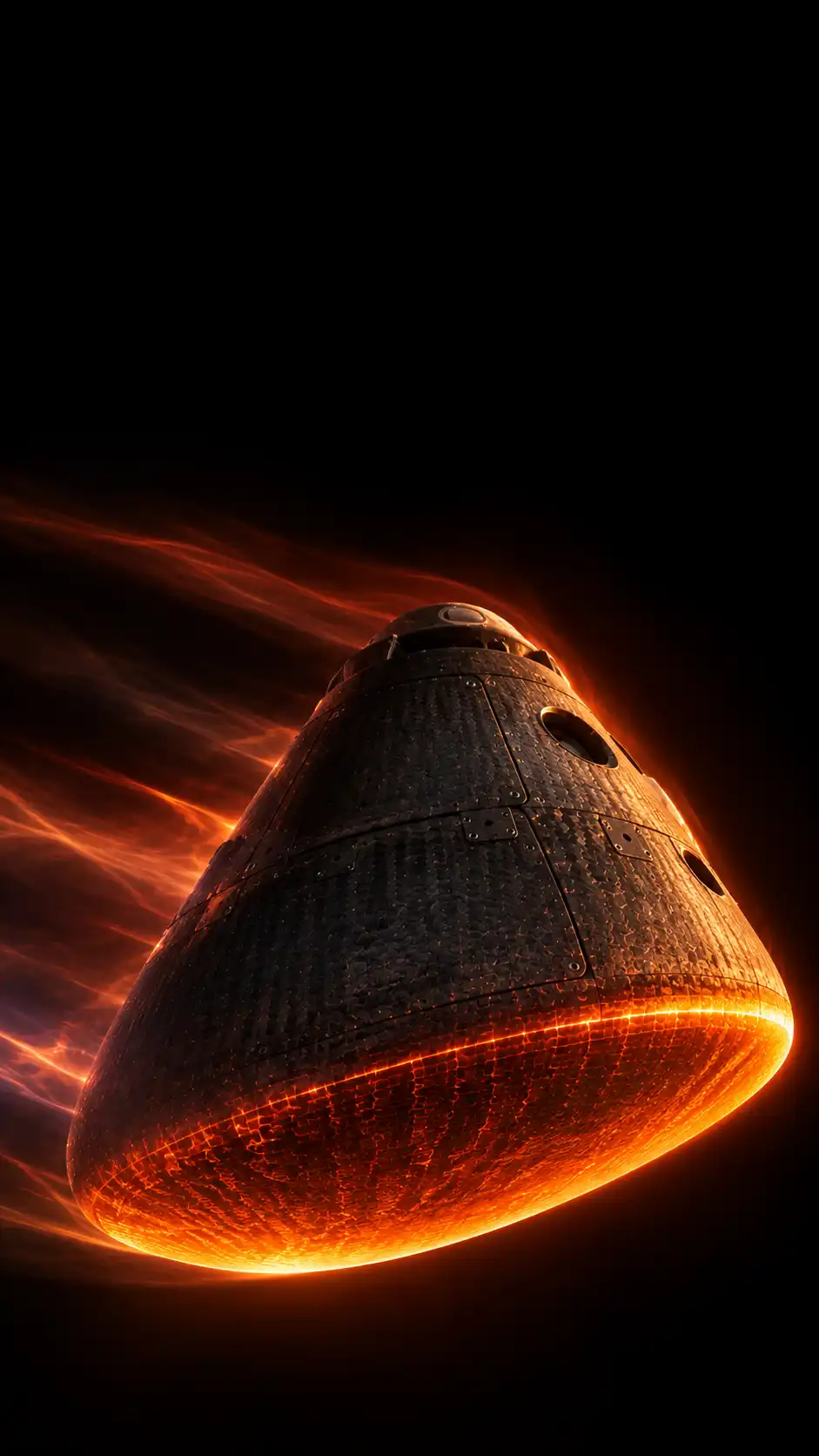
Thermal protection systems, hot structures and reentry components.
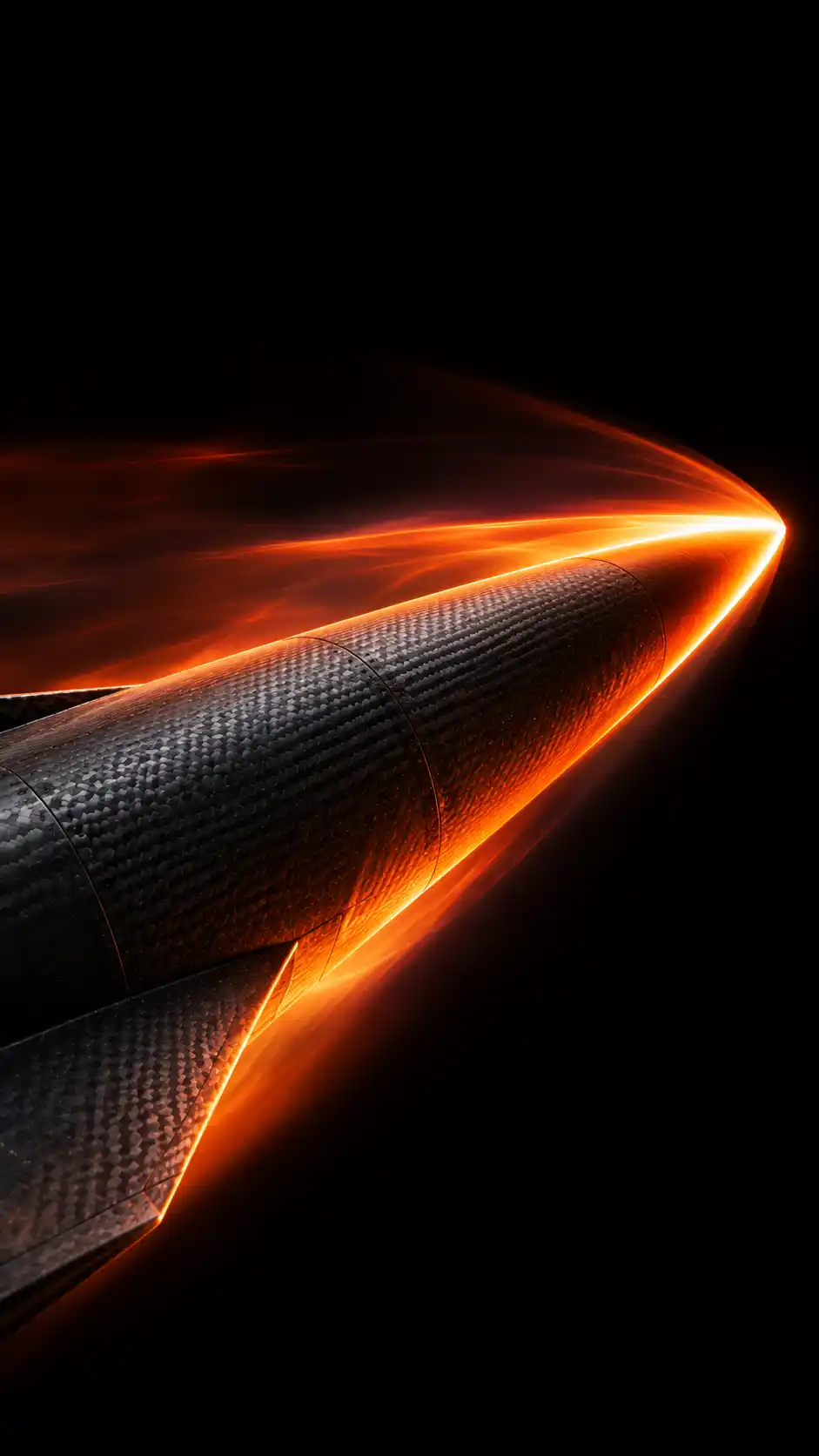
Nose cones and leading edges that endure high-Mach flight.
Carbon-Carbon brake discs for commercial, cargo and strategic aircraft.
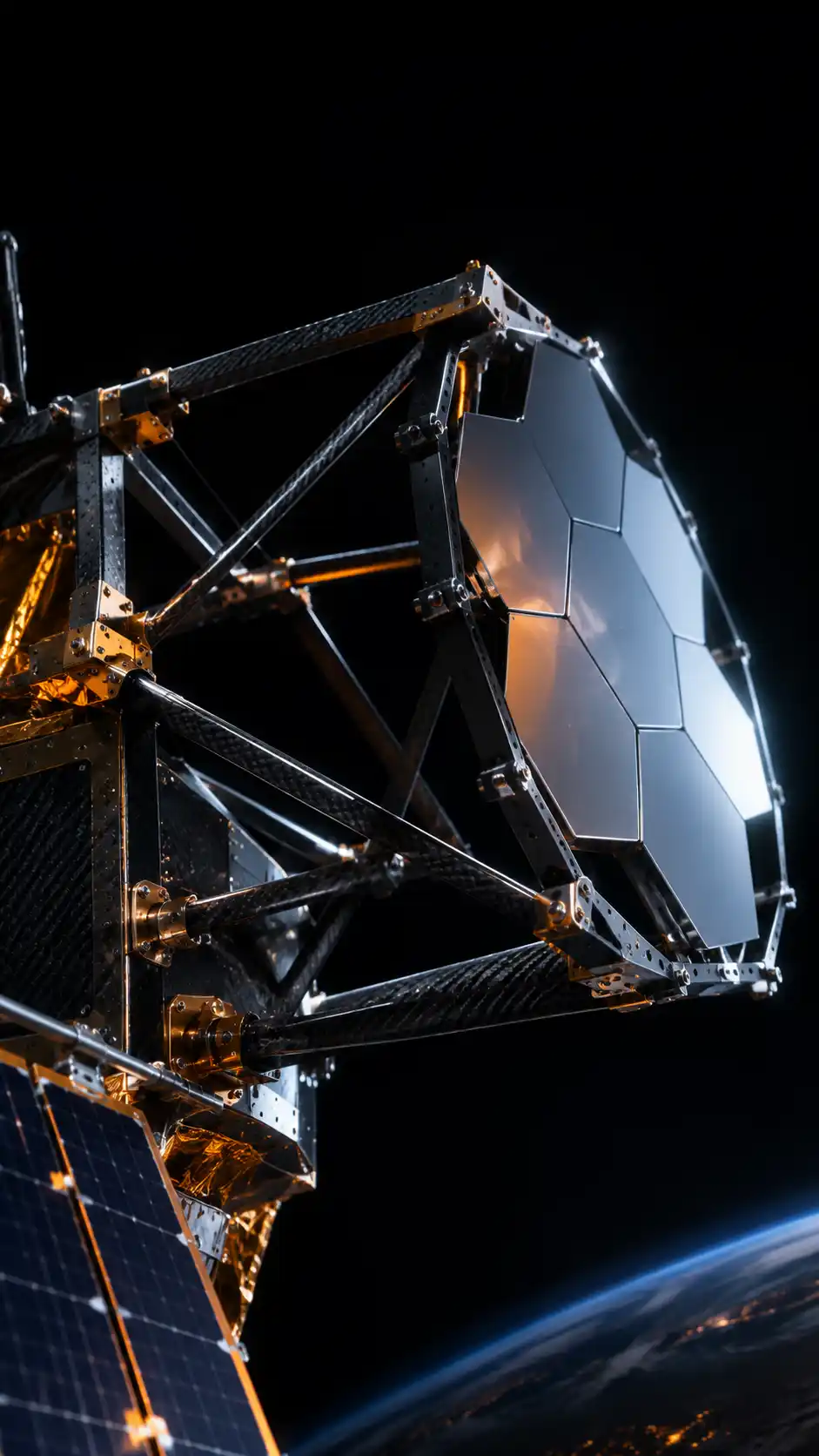
Dimensionally stable structures for precision optics in space.
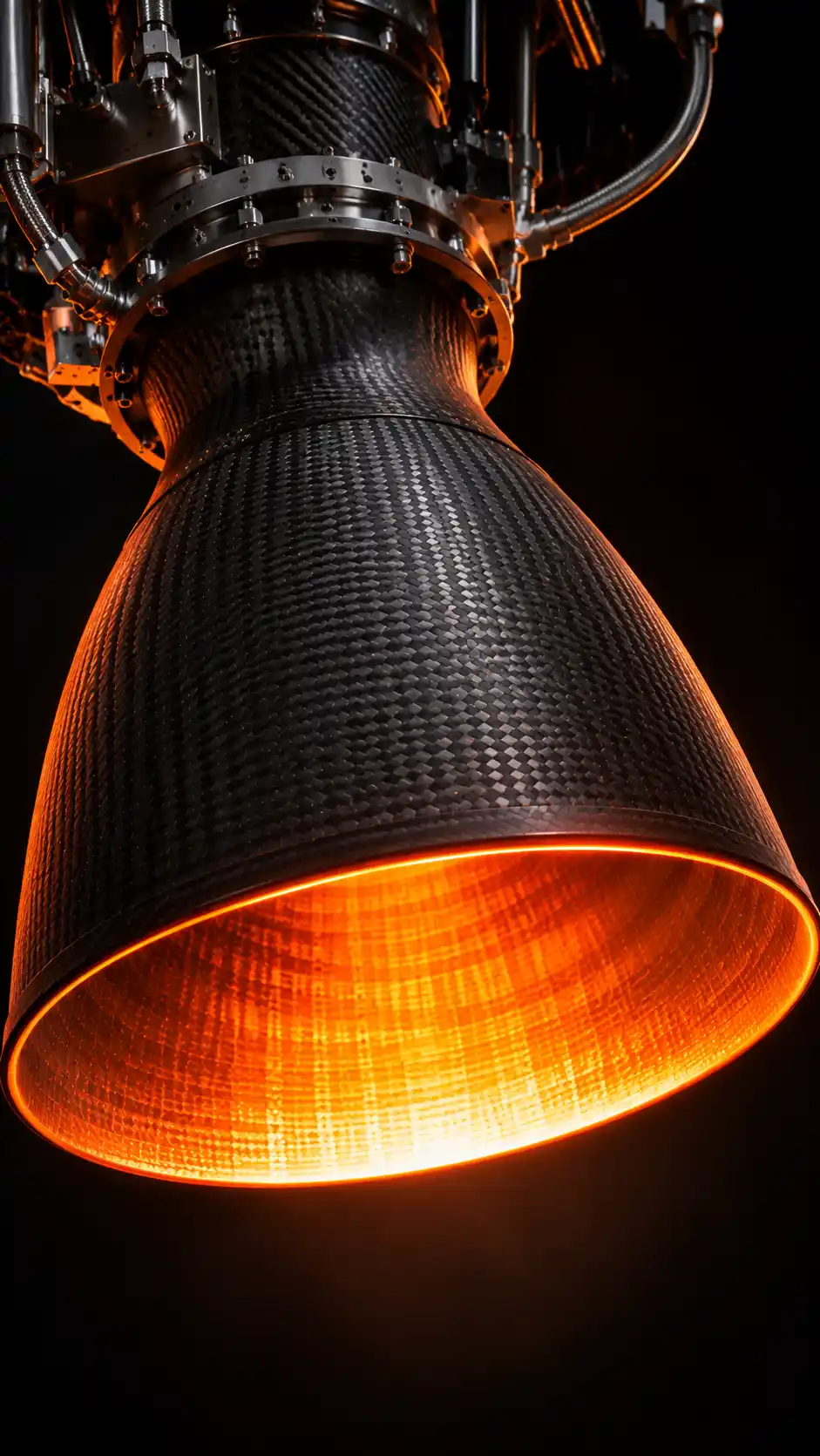
Nozzle divergents and throat inserts that resist erosion at high temperature.
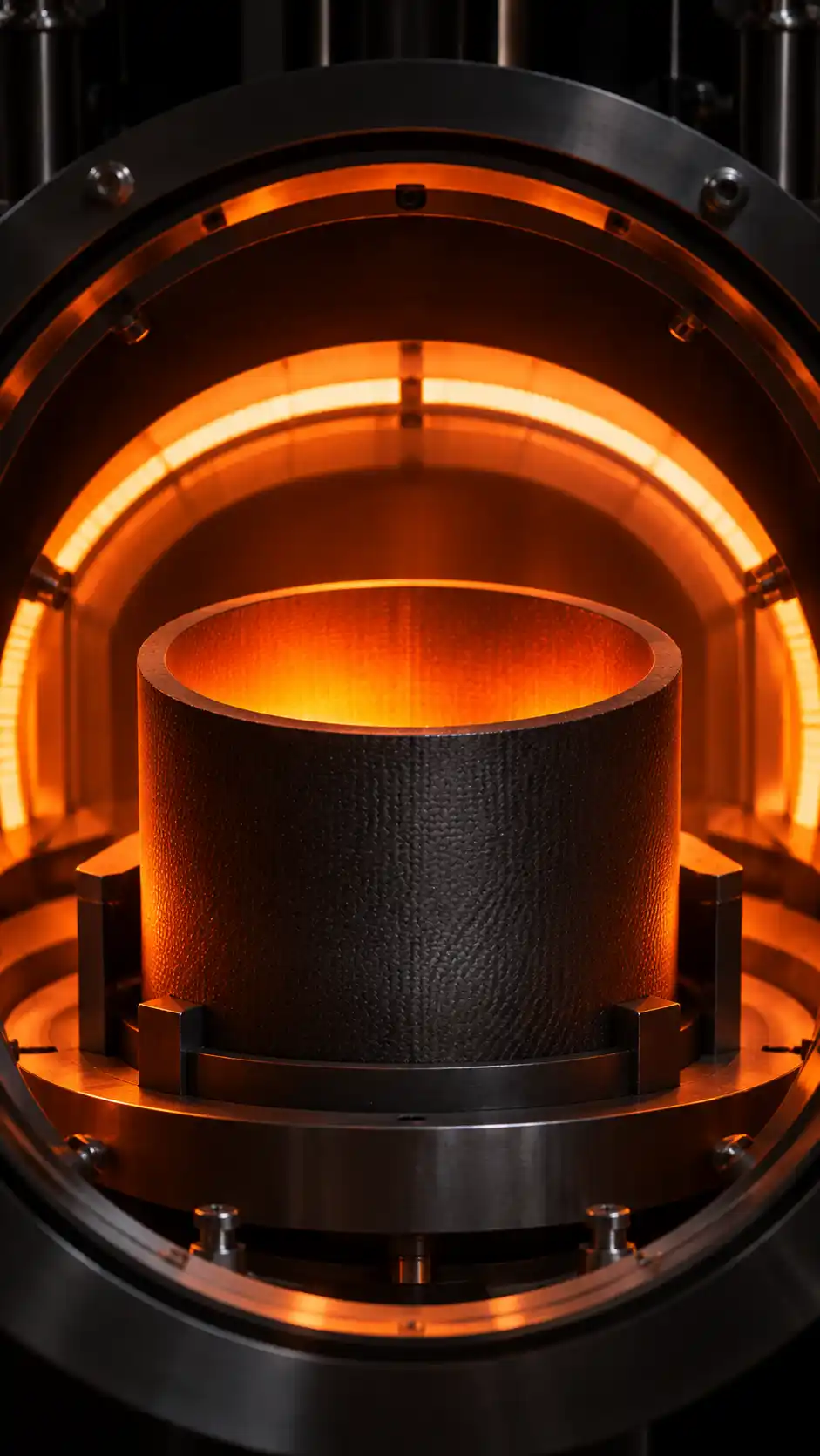
Crucibles, heaters and support structures for pure, precise fabs.
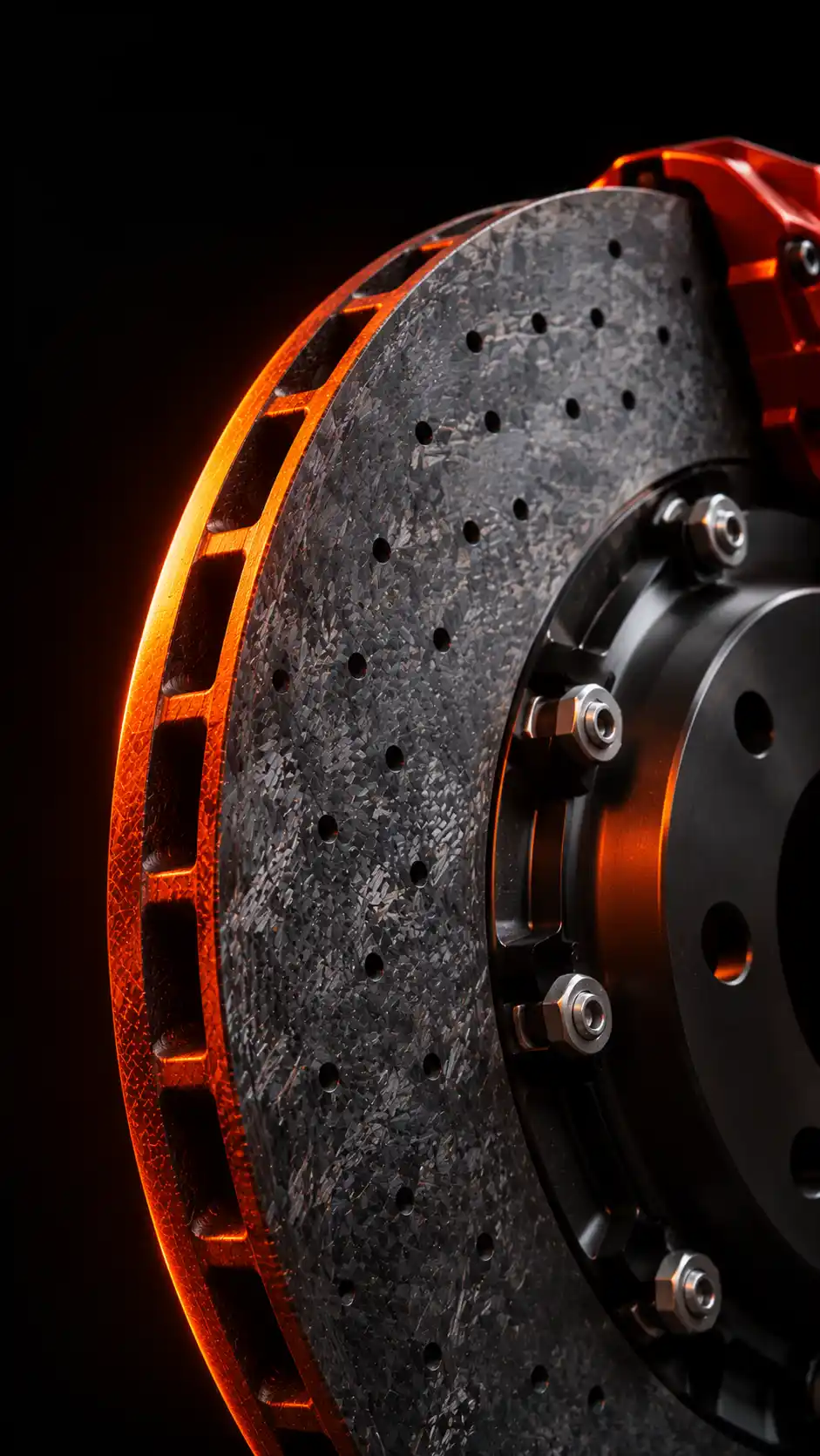
Carbon-ceramic brake discs for performance and reliability.
Design, simulation, tooling, process and qualification run in parallel, with no hand-offs between suppliers.
Parts engineered for the thermal and structural load they will see.
CFD, FEA and digital twins that cut trial and error.
Molds validated by FEA before material is committed.
FB-CVI and isothermal CVI, graphitisation to 3000°C.
Testing by the team that built the part.
Siliconization, carbide-forming barriers and ultra-high-temperature ceramics (UHTCs) extend composites beyond 2000°C and protect them from oxidation.
With over two decades of experience in space and defence technologies, I founded Mysitech with a vision to advance high-temperature composite materials and their manufacturing processes, positioning India as a global leader in advanced composite technologies.
At Mysitech, we are committed to innovation through cutting-edge research, strategic R&D partnerships, academic collaborations, and intellectual property development. Our focus is on continuously advancing composite materials, manufacturing technologies, product development, and simulation-driven engineering.
Share your design requirements and operating conditions. We'll engineer the right solution.
Carbon–Carbon composites are advanced materials consisting of carbon fibre reinforcement within a carbon matrix. They offer exceptional thermal stability, high-temperature strength, and thermal shock resistance, with operating capabilities up to 3000°C in non-oxidising environments. Key applications include rocket nozzle throats, hypersonic structures, aerospace brakes, and high-temperature furnace components.
Film Boiling Chemical Vapour Infiltration (FB-CVI) is an advanced densification technology that uses controlled heating of fibre preforms immersed in a liquid carbon precursor to deposit a carbon matrix. It enables significantly faster densification than conventional processes, improving manufacturing efficiency for high-performance Carbon–Carbon composites.
Carbon–Carbon composites excel in extreme-temperature applications, particularly in non-oxidising environments. Carbon–Silicon Carbide (C–SiC) composites incorporate a silicon carbide-based matrix, providing enhanced oxidation resistance, wear resistance, and durability. Both materials are engineered for demanding aerospace, propulsion, and industrial applications.
Mysitech develops advanced composite solutions for space and launch vehicles, defence and hypersonics, aviation, satellites, propulsion systems, semiconductor manufacturing, automotive braking systems, and high-temperature industrial applications.
Share your application, environment and timeline. An engineer will reply.